To sell a broken car in St Marys, start by gathering your vehicle’s details, get a quote from a suitable buyer or recycler, explain the car’s condition honestly, arrange a collection time, and complete the handover once you’re both satisfied with the terms. The rest of this guide covers each of those steps in more detail.
A car that won’t start, has failed an inspection, or has been sitting unused after an accident can feel like dead weight rather than an asset. In practice, most broken cars still hold some value, whether that’s in resale, recoverable parts, or scrap metal, and selling one is often more straightforward than people expect once they understand how the process actually works.
Can You Sell a Broken Car in St Marys?
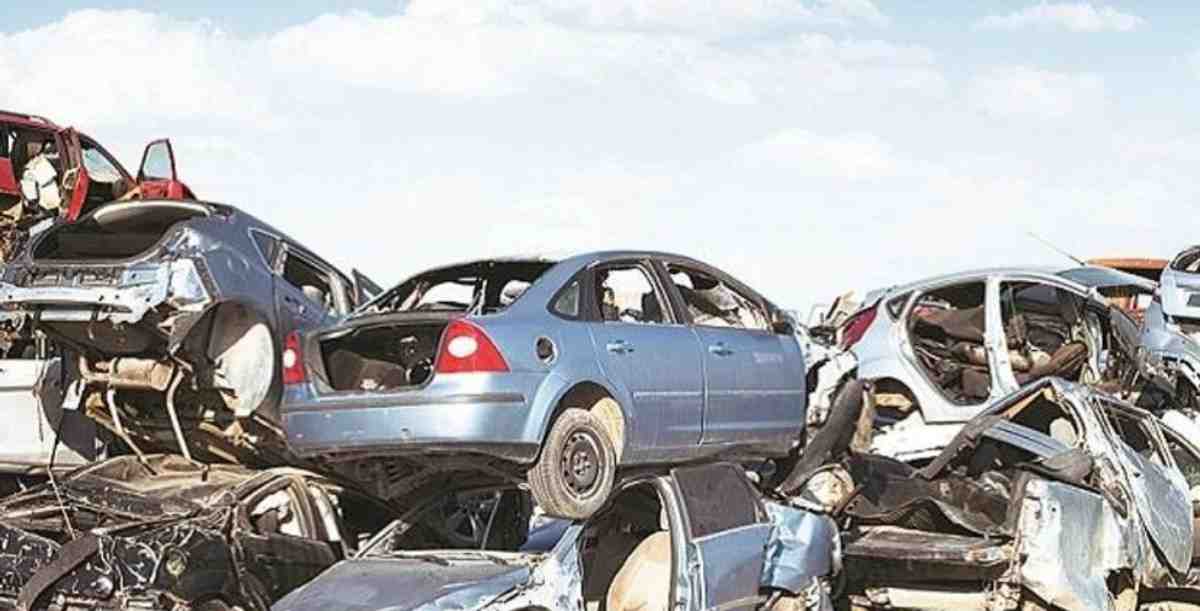
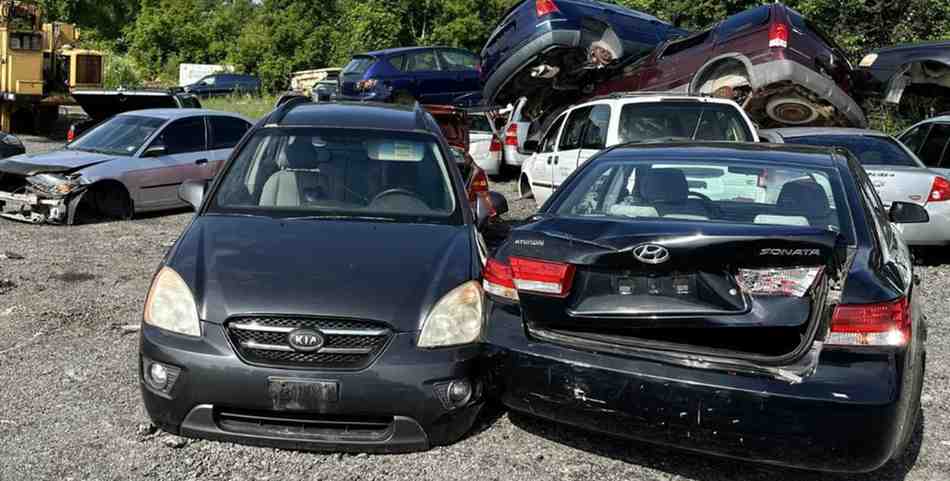
Yes, in most cases. Non-running cars, accident-damaged vehicles, cars with a blown engine or failed transmission, and vehicles that are simply old and unwanted are all common enquiries. A car’s condition affects what it’s worth, not necessarily whether it can be sold at all.
Vehicles that are no longer economical to repair fall into this category too. If the cost of fixing a car is close to or higher than its market value, many owners decide selling as-is makes more sense than continuing to invest in a vehicle that may keep breaking down. That doesn’t mean every single vehicle will be accepted, some are genuinely beyond any recoverable value, but a broken car is generally worth getting assessed rather than assumed worthless.
How to Sell a Broken Car in St Marys
The process is fairly consistent regardless of what’s wrong with the vehicle. Here’s how it typically plays out.
-
Gather Your Vehicle Details
Buyers and recyclers generally ask for the make, model, year, registration status, general condition, and a description of what’s wrong, engine, transmission, body damage or otherwise. Having these details ready before you make contact speeds up the whole process.
-
Request a Vehicle Quote
Once you share these details, a valuation can be put together based on the car’s actual condition. The more accurate the information, make, model, year, mileage, damage and running status, the more realistic the quote will be.
-
Discuss the Collection Arrangements
If you’re happy with the offer, the next step is agreeing on a suitable pickup time. This is also the point to mention anything about your property that might affect collection, a narrow driveway, a unit complex, or a car parked somewhere unusual.
-
Prepare the Vehicle
Before collection, it helps to remove personal belongings, locate any relevant paperwork, and keep the keys accessible. Let the collector know clearly whether the car starts and drives, or whether it needs to be towed or winched.
-
Vehicle Collection
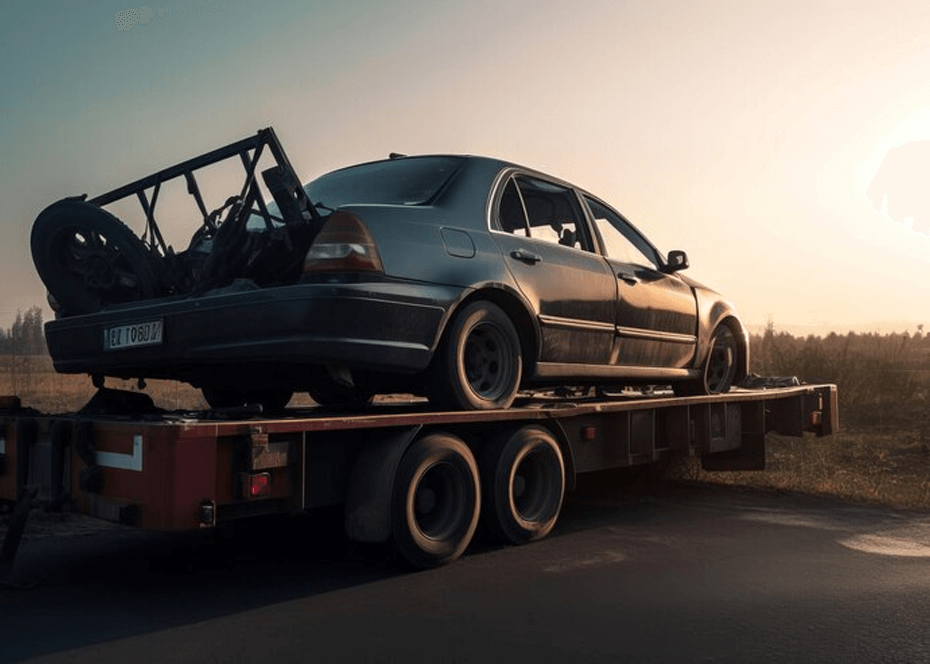
On the agreed day, the vehicle is picked up from your property. For non-running cars, this usually involves a tow truck or car carrier rather than the vehicle being driven away.
-
Complete the Handover
Before the car leaves, make sure ownership transfer and any required paperwork are properly completed. This protects you from any future liability connected to the vehicle once it’s no longer yours.
Need to sell a broken car in St Marys? Contact Broken Car Collections to discuss your vehicle and arrange the next step.
What Types of Broken Cars Can You Sell?
Broken doesn’t mean one specific thing, and different faults are assessed differently. Vehicles commonly sold in this condition include:
- Cars that won’t start — flat battery, starter motor or ignition faults.
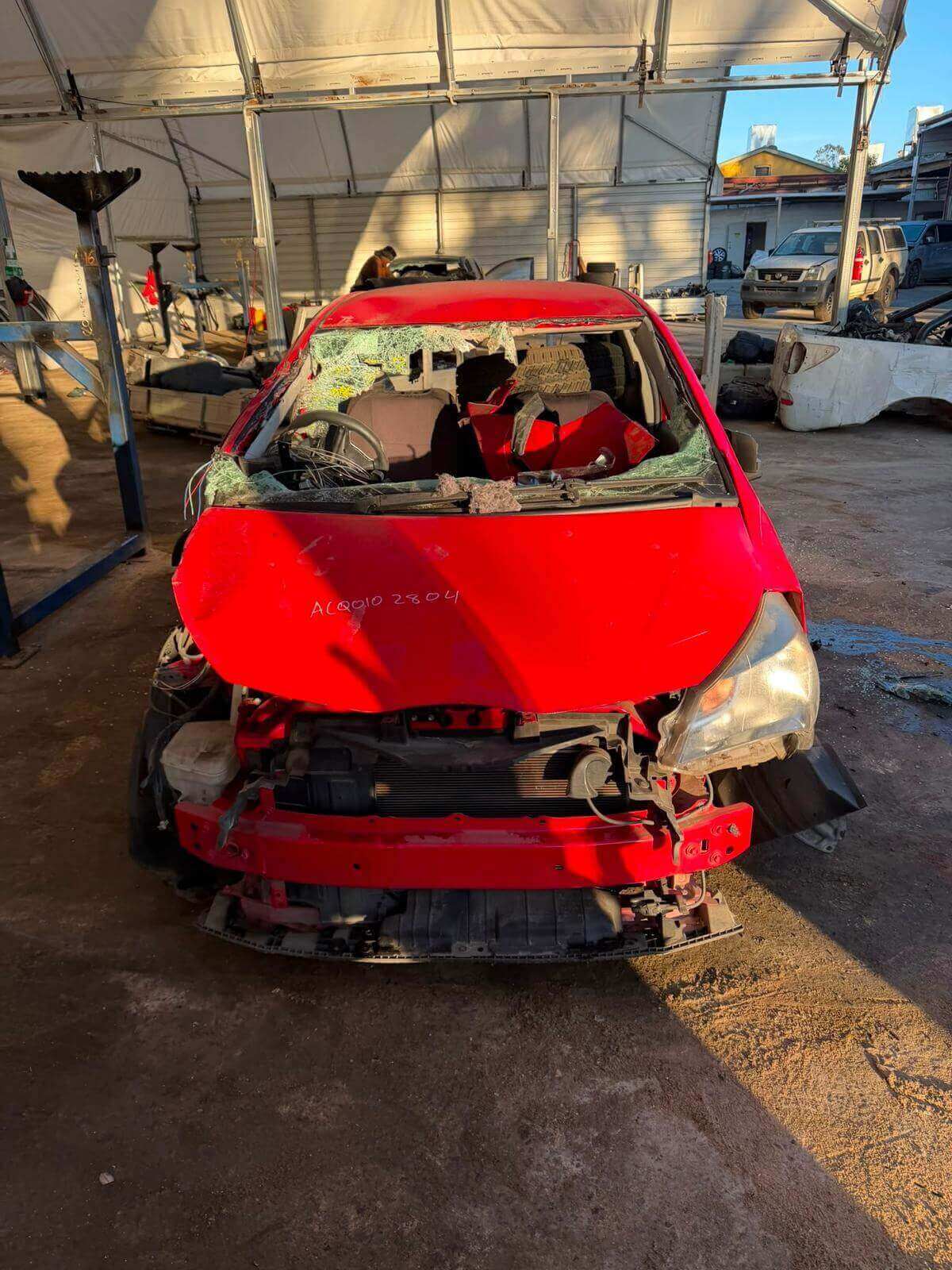
- Accident-damaged cars — collision damage, whether recently written off or sitting unrepaired.
- Cars with engine problems — overheating, blown engines, or costly mechanical failures.
- Cars with transmission problems — slipping gears or a transmission beyond economical repair.
- Flood-damaged vehicles — where the vehicle’s history and condition are appropriately disclosed.
- Old cars — vehicles that have simply reached the end of their practical life.
- Scrap cars — vehicles kept mainly for spare parts or scrap value at this point.
- Unwanted cars — second vehicles or ones no longer needed after a change in circumstances.
Not every vehicle in every one of these categories will necessarily be accepted, condition varies enormously even within the same fault type, so the safest approach is to describe the problem honestly and get an assessment rather than assuming either way.
Is It Better to Repair or Sell a Broken Car?
This depends on the numbers more than anything else. A useful way to think about it:
| Factor | Leans toward repairing | Leans toward selling |
|---|---|---|
| Repair cost vs vehicle value | Repair cost is a small fraction of value | Repair cost approaches or exceeds value |
| Vehicle age | Relatively new, still has useful life | Older, nearing end of practical service life |
| Mechanical history | Isolated fault, otherwise reliable | Recurring or multiple faults |
| Parts availability | Parts are easy and affordable to source | Parts are scarce, expensive or discontinued |
| Safety | No safety-related concerns | Structural, brake or safety-critical damage |
There’s rarely a single right answer, it comes down to weighing the repair cost, the car’s remaining useful life, and how much further investment you’re comfortable making against what the vehicle is actually worth today.
How Much Is a Broken Car Worth?
Every vehicle is different, so there’s no single figure that applies across the board and no guaranteed price we’d publish here. Valuation for a broken car typically considers:
- Make and model — some models have stronger demand for used parts.
- Vehicle age — affects both resale and component condition.
- Overall condition — beyond the specific fault, how the rest of the car holds up.
- Engine and transmission condition — major components carry more value if usable.
- Body damage — extent and location of any damage.
- Salvageable parts — what can realistically be recovered and resold.
- Vehicle weight and material value — relevant to scrap metal pricing.
- Demand for parts — some makes and models are more sought-after than others.
- Registration status — currently registered or not.
- Location — affects collection logistics.
- Current market conditions — scrap and used vehicle markets shift over time.
Because of how many variables are involved, the only reliable way to know what your specific car is worth is to request a quote based on its actual details.
What Documents Do You Need to Sell a Broken Car?
Having the right information on hand keeps the process moving. Generally useful to have available:
- Proof of ownership, such as registration papers or a certificate of registration.
- Photo identification matching the registered owner.
- Any relevant NSW disposal notice requirements where the vehicle is currently registered.
- Details of any outstanding finance on the vehicle, if applicable.
This is general guidance rather than legal advice, if you’re unsure about your specific situation, it’s worth checking current NSW requirements directly through Service NSW.
What Happens to a Broken Car After Collection?
Once a vehicle is collected, it generally moves through a fairly consistent process:
Collection → Assessment → Dismantling / Parts Recovery → Recycling → Responsible Processing
After collection, the vehicle is assessed properly rather than assumptions being made from a phone description alone. From there, usable components, panels, engines, gearboxes and other parts, are recovered where their condition allows, giving them a second life in someone else’s repair. What’s left is largely scrap metal, which is directed toward appropriate recycling channels rather than left to sit as landfill.
How to Choose a Broken Car Removal Service in St Marys
Not every buyer or removal service operates the same way, and it’s worth checking a few things before agreeing to anything:
- A clear quote process, based on your actual vehicle details rather than a vague estimate.
- Transparent communication about how the price was reached.
- A genuine local service area covering St Marys and nearby suburbs.
- Clear collection arrangements agreed in advance.
- Professional, straightforward communication throughout.
- No pressure to accept an offer on the spot.
- Clear payment terms explained before collection day.
- Evidence of a legitimate, contactable business, not just a phone number with no other information.
Taking a few minutes to check these details before booking a collection is a reasonable way to avoid an unpleasant surprise on the day.
Broken Car Removal in St Marys and Nearby Suburbs
Broken car removal in this part of Western Sydney generally isn’t limited to St Marys itself. Owners in North St Marys, Werrington, Colyton, Oxley Park and nearby suburbs face the same situation, an unwanted or non-running vehicle that’s more trouble to move privately than it’s worth.
If you’re specifically in North St Marys, our dedicated car removal North St Marys and car wreckers North St Marys pages cover that area in more detail, along with cash for scrap cars in North St Marys if that’s closer to your situation. For a broader look at selling a vehicle in the area generally, our sell my car in St Marys guide is a useful companion to this one.
Further around Western Sydney, we also cover Werrington, Colyton, Oxley Park, Ropes Crossing, Tregear, Whalan, Dharruk, Blackett and Willmot. Not every suburb nearby is a dedicated service page, so if yours isn’t listed, the quickest way to check is simply to get in touch.